Best Teeth Whitening Options for Sensitive Teeth
Teeth whitening is one of the most popular cosmetic dental treatments, but for people with sensitive teeth, it can feel intimidating. Sensitivity may cause discomfort during or after whitening, which leads many patients to avoid treatment altogether. However, having sensitive teeth does not mean whitening is off the table. With the right approach and professional guidance, many people can brighten their smile comfortably. Patients in the area considering teeth whitening in Fort Myers often ask which options are safest and how sensitivity can be managed before, during, and after treatment.
Introduction to Teeth Whitening and Sensitivity
Tooth sensitivity crops up when the protective enamel layer is thin or compromised, allowing stimuli such as temperature or chemicals to reach the inner layers of the tooth. Whitening products work by penetrating enamel to break down stains, which can temporarily increase sensitivity for some individuals. Understanding how different whitening methods interact with sensitive teeth helps patients choose an option that balances results with comfort.
Causes of Tooth Sensitivity
Sensitivity can develop for several reasons, and identifying the cause is an important first step before whitening.
Common causes include:
- Enamel erosion from acidic foods or beverages
- Gum recession exposing the tooth root
- Teeth grinding or clenching
- Existing dental issues, such as cavities or worn restorations
A dental evaluation helps determine whether sensitivity needs to be addressed before whitening begins.
Professional In-Office Whitening Options
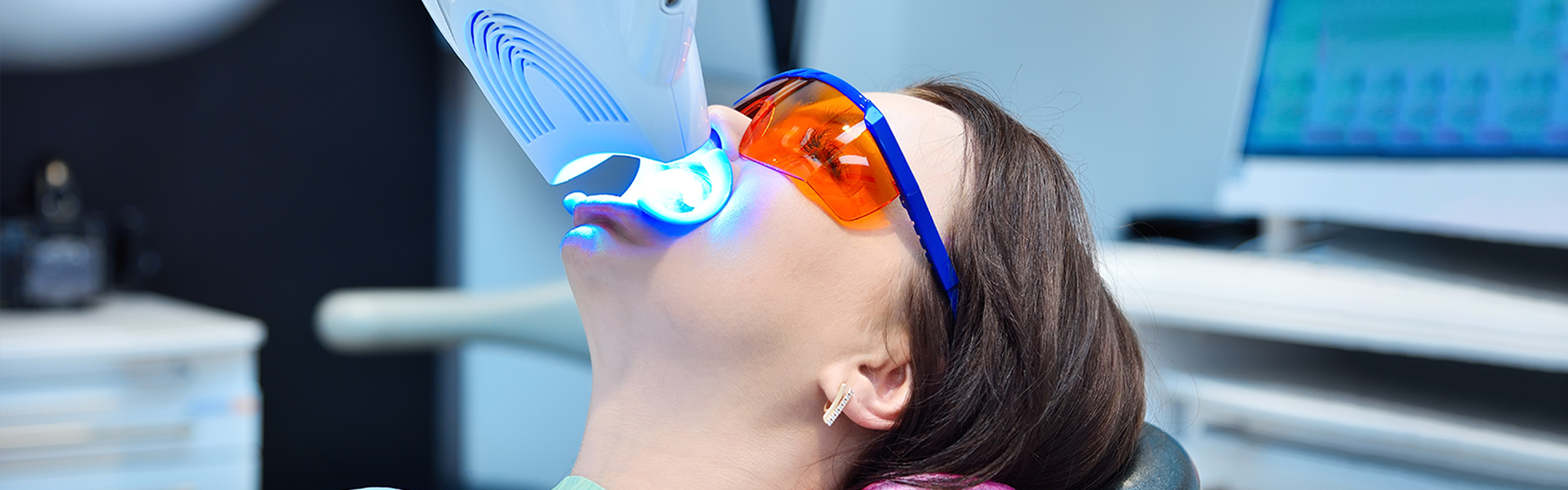
Professional in-office whitening is often recommended for individuals with sensitive teeth because it is closely monitored. Dentists use controlled concentrations of whitening agents and protective measures to minimize discomfort.
Benefits of professional treatment include:
- Careful isolation of gums
- Adjusted whitening strength based on sensitivity
- Immediate supervision if discomfort occurs
Patients working with a dentist in Fort Myers often find this option reassuring because treatment can be customized to their comfort level.
Dentist-Supervised Take-Home Whitening Kits
Take-home whitening kits provided by a dental office offer flexibility while maintaining professional oversight. These kits typically include custom trays and whitening gel designed for gradual use.
Advantages include:
- Slower whitening process that may reduce sensitivity
- Custom trays for even application
- Professional instructions tailored to individual needs
For patients seeking guidance from a dentist near them, supervised kits offer a balance between effectiveness and comfort.
Over-the-Counter Whitening Products for Sensitive Teeth
Over-the-counter products are widely available and may appeal to those with mild sensitivity. Some products are formulated specifically for sensitive teeth.
These options may include:
- Whitening strips with lower peroxide levels
- Sensitive-tooth whitening toothpaste
- Whitening pens are designed for targeted use
While these products are accessible, they are not appropriate for everyone, and results may vary.
Natural and Gentle Whitening Alternatives
Some individuals prefer gentler approaches to whitening. While natural methods may offer subtle improvements, they are generally less effective than professional treatments.
Examples include:
- Baking soda-based toothpaste is used occasionally
- Maintaining a diet low in starchy foods
- Professional cleanings to remove surface stains
It is important to avoid abrasive home remedies that may damage enamel and worsen sensitivity.
Desensitizing Toothpaste and Pre-Whitening Treatments
Preparing teeth before whitening can help reduce sensitivity. Desensitizing toothpaste is often recommended in the weeks leading up to treatment.
These products work by:
- Blocking nerve pathways in the tooth
- Strengthening enamel over time
- Reducing response to temperature changes
Some dental offices also offer pre-whitening treatments to help condition teeth before bleaching.
Tips to Minimize Sensitivity During Whitening
Managing sensitivity during whitening involves both product choice and daily habits.
Helpful tips include:
- Using whitening products less frequently
- Avoiding very hot or cold foods during treatment
- Following professional instructions carefully
- Pausing treatment if discomfort increases
Patients receiving care at a dental clinic near them benefit from guidance that helps balance results and comfort.
Who Should Avoid Certain Whitening Methods
Not everyone is a good candidate for whitening, especially if sensitivity is severe or linked to untreated dental issues.
Whitening may need to be delayed for individuals with:
- Active cavities or gum disease
- Cracked or damaged teeth
- Significant enamel loss
Addressing these conditions first helps protect oral health and improve whitening outcomes.
Long-Term Maintenance and Oral Care
Maintaining a brighter smile after whitening is just as important as the treatment itself. Good oral hygiene and mindful habits help preserve results while minimizing sensitivity.
Long-term care includes:
- Regular brushing with a gentle toothpaste
- Limiting staining foods and beverages
- Attending routine dental checkups
Consistent care supports both comfort and lasting results.
Choosing the Right Whitening Option for Sensitive Teeth
Sensitive teeth do not have to stand in the way of a brighter smile. By understanding the causes of sensitivity and selecting appropriate whitening options, patients can achieve noticeable improvements with minimal discomfort. Professional guidance performs a key role in ensuring safe and effective treatment. At Freedom Dental of Fort Myers, whitening options are approached with patient comfort in mind, with care guided by Dr. Joseph Vanderbosch to help individuals choose solutions that fit their needs and protect long-term oral health.